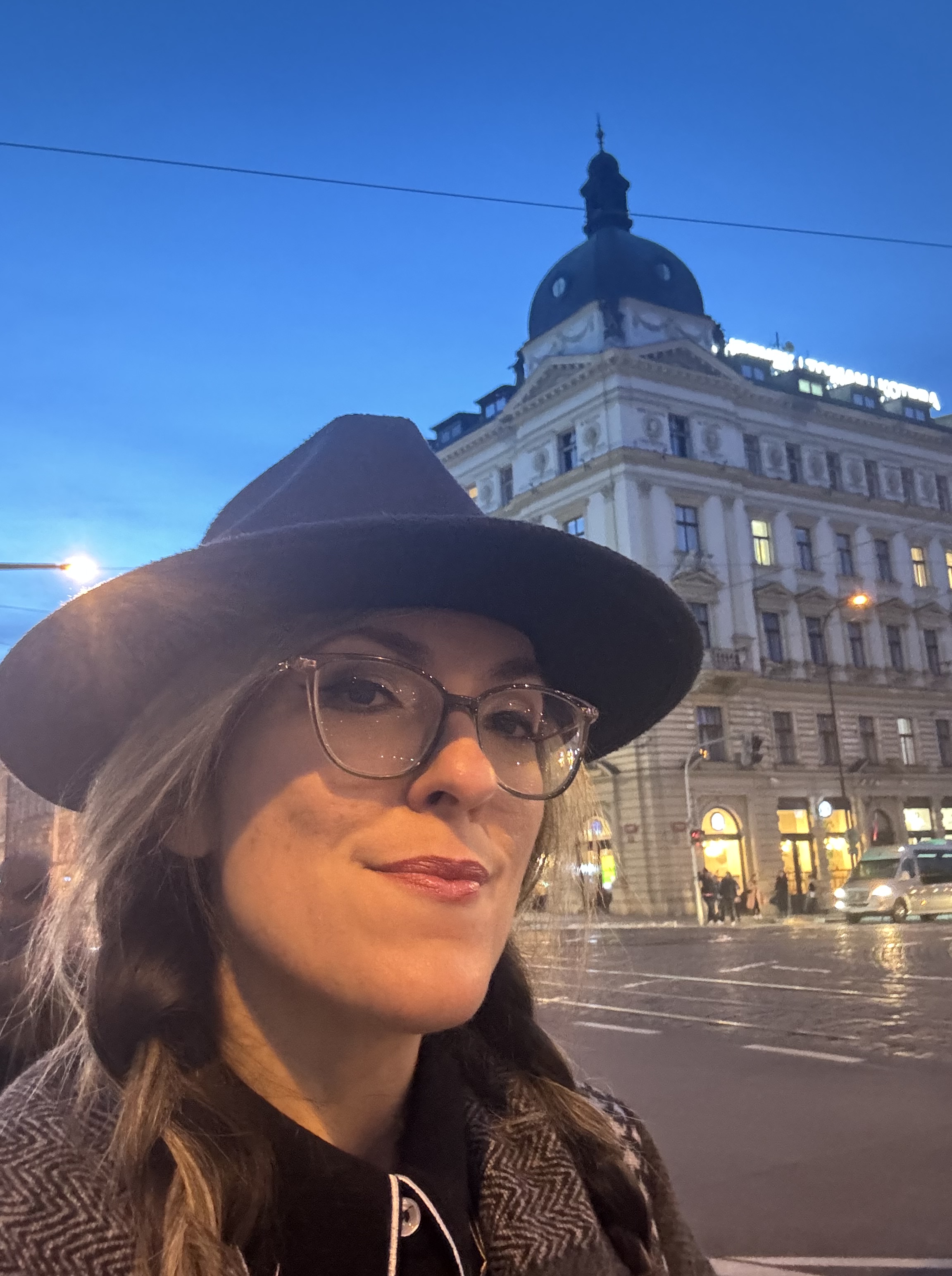
Barbara Hughes-Moore is a fascinating and impressive person. She’s a lecturer in the prestigious Cardiff Law School, a theatre reviewer (which is how I met her years ago), a published poet, and much more.
She is also (and this is one of the things which interests me most) an expert in Gothic fiction. So, when I heard she had a new book out – a monograph on gothic fiction and law, I was keen to find out more.
What can you tell us about this new monograph?
If you’ve ever (or never) wondered why lawyers should be thinking more about vampires, this is the book for you! The Criminal in Gothic Fiction and Contemporary Law examines the concept of ‘the guilty mind’ and the problems and dilemmas it creates in law from the 19th century to now. In criminal law, we rely on the principle that ‘there cannot be a guilty act without a guilty mind’. But we have exceptions to this: you can be prosecuted for attempted murder, for example (which means there is no ‘guilty act’), and you can also be prosecuted for ‘strict liability’ offences which don’t require proof of intent or knowledge (e.g., driving without a valid licence or insurance). So the concept of guilt in law can be quite slippery and elusive.
My book approaches some of these problems of fault through the prism of Gothic fiction. I chose Gothic because it is a very recognisable genre (you know it when you see it!) and because it developed and evolved in interesting ways towards the tail end of the 19th century – a time in which criminal law was also developing and evolving in interesting ways.
The rise of print media and newspaper reporting at the time, alongside early works of ‘sensationalised’ fiction like penny bloods, made sordid tales of criminal activity both popular and accessible. Think of the public reaction to the Jack the Ripper murders. We can see in them the origins of today’s obsession with true crime (across such mediums as podcasts, documentaries, and biographical dramas). This era also saw the rise of scientific disciplines such as criminology, psychology, and psychoanalysis – disciplines which claimed (in varying ways) to be able to discern, diagnose, and provide ‘proof’ of a person’s state of mind. Such evidence began to be used in police investigations and in court cases of the time. It is important to note that the disciplines themselves – much like law and legal institutions – could be and were problematic, absorbing and proliferating stereotypes relating to race, gender, class, sexuality, and disability.
This was also a period which saw a neo-Gothic revival in literature, with authors like Arthur Conan Doyle and Robert Louis Stevenson plumbing the depths of the ‘criminal mind’. Several key works of Gothic fiction came out at the end of the 19th century which are still part of our vernacular and our cultural tapestry today: Jekyll and Hyde, Dorian Gray, and Dracula. I use each of these books to examine a different problem relating to guilt, exploring issues like character, criminal recklessness, and confessions. I also examine some of the authors’ personal connections to law, such as the wrongful conviction of Oscar Wilde under the homophobic Criminal Law Amendment Act 1885, and the fact that both Bram Stoker and Robert Louis Stevenson were both qualified lawyers.
Who is it aimed at?
It’s aimed particularly at people with an interest in criminal law, Gothic fiction, and legal history. It’s an academic monograph so will likely be first and foremost on the radar of anyone who teaches or studies at a university – but I’d like to think that it would appeal to anyone with an interest in the things that go bump in the night!
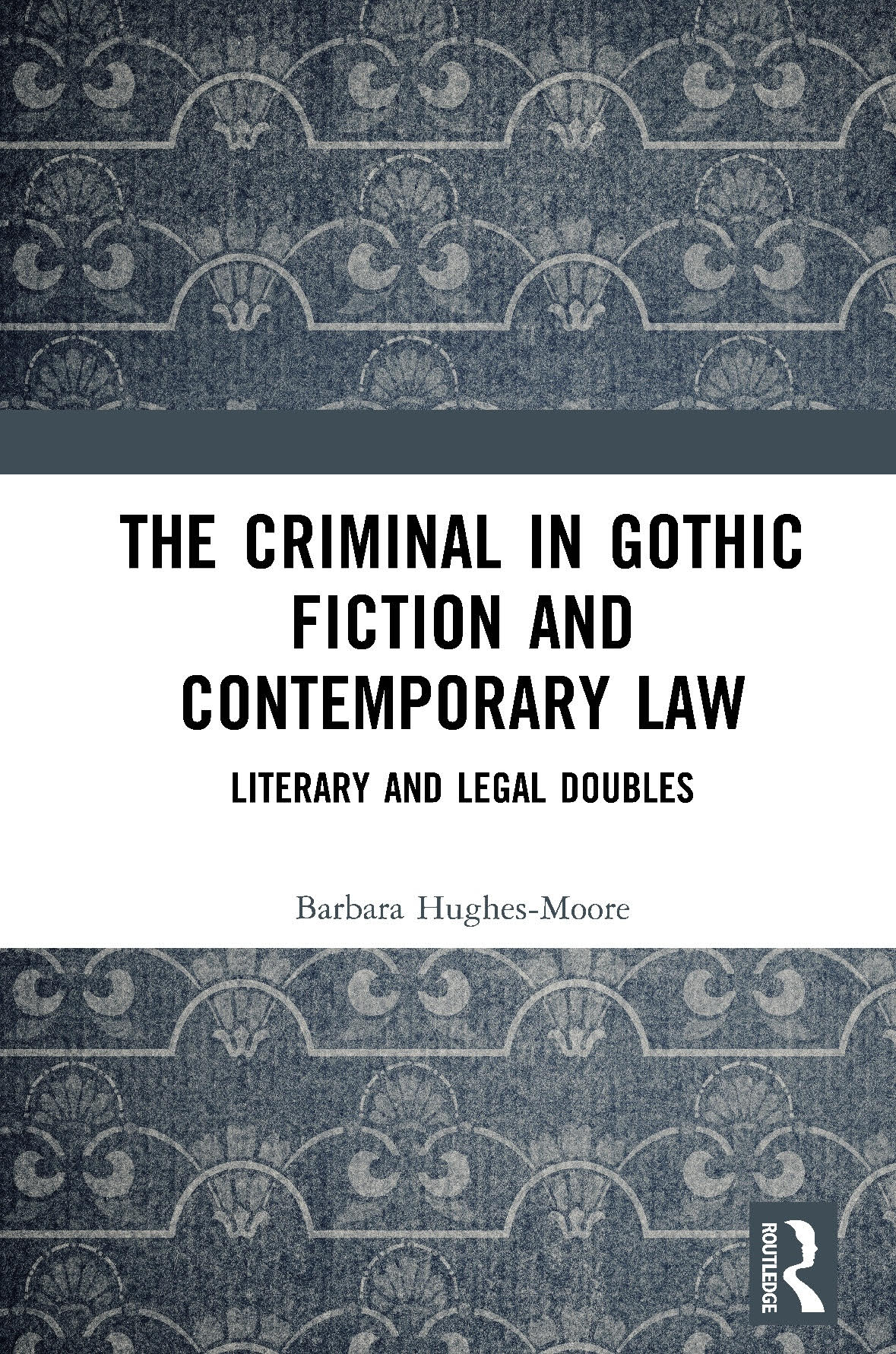
Chapter 1 gives a good overview of how the concept of fault/guilt developed in English and Welsh law from the Saxons to the Victorians, and then Chapter 2 covers the development of Gothic fiction from 1764 to around 1897. The three book chapters each pair a famous Gothic ‘double’ (think Jekyll and Hyde) with a problem in law, drawing out connections and insights between these legal and literary sources. And the final chapter picks up those threads and takes the reader on a tour of how the Gothic has evolved and mutated from the turn of the 20th century right up to today, particularly in relation to the invention of film and moving pictures and newer innovations like social media and AI.
Any interesting highlights?
That horror movies have taken up the baton from Gothic novels, in what they do and how they do it. Watching a horror film today gives us the same sense of enjoyable dread, anticipation, and catharsis that reading a Gothic story did for the Victorians. Horror movies have that same tactile, sensory, grab-you-by-the-throat hold on your emotions. They want to make you feel, and they want to make you think. And they’ve gone even further and added a live, communal element to that: when you see a horror movie at the cinema, you’re experiencing these heightened emotions with a crowd, in the moment. You get to be scared in a safe way, with other people, and in a way that may help you examine and understand your own fears about being a person in this world.
What are the key takeaways?
That the law is scary and that Gothic novels can help us process and articulate our fears and concerns about law. We are experiencing a time in which politicians and media outlets/commentators are engaging in the language of moral panic, like the Victorians before them. We can see this in the hateful language deployed against transgender people, against migrants and refugees, and we can see this sort of language coded in manifestos of political parties and in laws and Supreme Court judgements that have the potential to have a lasting negative impact on these communities.
What I hope people take away from the book is that while there is a lot to be scared of in law, in the past as in the present, the Gothic can give us hope. This is partly in the way it allows us to safely experience fear, and also in the tools we can use to challenge law and assert our rights.
How can people read it?
If you work or study at a university, you can suggest that your institution purchases a copy. This also goes for any libraries or community hubs. Over the next few months I’ll be recording some guest podcasts and hosting some online events that will be free to access/attend.
In the meantime, I’m holding a Gothic Poetry Evening at Book Space Cardiff on Thursday 9th July [2026], where you will have the chance to win a copy of my book, with an extra special cover designed by Creatrix Cymraes – you can buy a ticket here (£4 each or pay what you can).
On the night I’ll be talking a little about how I came to write the book, sharing some of my Gothic poetry, and there will also be a poetry open mic. At the end, whoever’s name gets drawn from the Gothic goblet will win a copy! I also talk about my love for the Gothic and why it’s an important and endlessly inspiring genre in this open access piece for the Journal of Law and Society.
If you’re completing an academic work or publishing a book, Weltch Media can help with proof-reading and more.

